This is a blog | Please read the Terms of Interaction
Created: 09/10/2025Understanding Disorders of Sex Development (DSD): A Medical and Biological (Light) Overview
Disorders of Sex Development (DSD) are congenital conditions defined by atypical development of chromosomal, gonadal, or anatomical sex. This resource provides a fact-based, clinical overview of the biological origins, classifications, and lifelong health considerations associated with various DSDs. The information presented here is intended for educational purposes and to facilitate informed discussions. It is not a substitute for professional medical advice. We strongly encourage you to consult with your medical team or other qualified healthcare professionals for diagnosis and management.
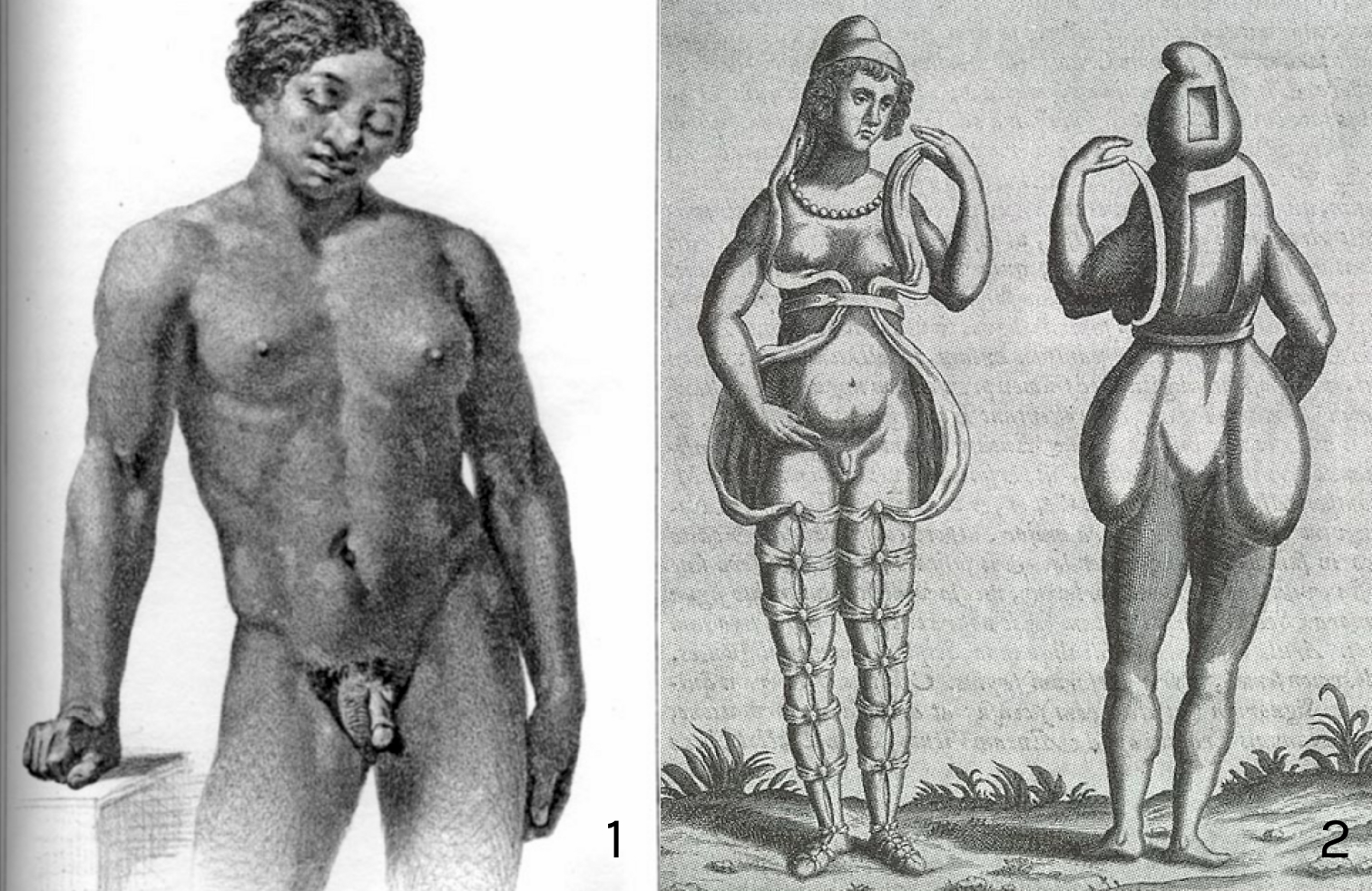
A Clinical Framework for Understanding DSD
What are Disorders of Sex Development?
Medically, DSD refers to a group of congenital conditions where there is a discrepancy between the external genitalia and the internal gonads (testes or ovaries). The term "intersex" is an older term that has been largely replaced in clinical settings by the more precise nosology of DSD. These conditions can be identified at birth, during puberty, or in adulthood, often during investigations for issues like delayed puberty or infertility.
The Importance of Precise Medical Terminology
What are Disorders of Sex Development?
In clinical genetics and pathology, specific terms are used to ensure diagnostic accuracy and clear communication among healthcare professionals. Words like 'disorder,' 'anomaly,' and 'mutation' have precise, neutral scientific meanings. While these terms can have negative connotations in everyday language, their use in a medical context is not judgmental but is essential for accurately diagnosing and managing complex health conditions.
Mutation
A neutral, technical term for a permanent change in a DNA sequence. A mutation can be harmful, beneficial, or have no effect.
Anomaly
A medical term for a deviation from the typical structure or form. Chromosome abnormalities are a major category of congenital anomalies.
Disorder
A term used when a genetic or chromosomal anomaly leads to a pathological outcome—a disruption of normal physiological function that requires medical management
The Biological Cascade of Sex Development
Human sex development is a sequential process. A disruption at any stage in this biological cascade can result in a DSD. Understanding this pathway provides a clear framework for how these conditions originate.
Key Stages
Chromosomal Sex
Established at fertilization (typically 46,XX or 46,XY).
Gonadal Sex
The SRY gene on the Y chromosome typically directs the bipotential gonads to become testes; its absence leads to the development of ovaries.
Hormonal Sex
The differentiated gonads (testes or ovaries) secrete hormones that direct further development.
Phenotypic Sex
Hormones guide the formation of internal reproductive structures and external genitalia.